We don’t like to feel alone. It is basic human nature to crave belonging. This can lead us to seek connection in places we shouldn’t be, with people we don’t align with. At times, we can be driven by the desire to not feel alone, rather than the desire to foster a real connection. This often leads us to online outreach and social media. Learning to be alone is necessary for real connection.
Social media is not a real representation of closeness. We see the best, funniest, or most polished aspects of people’s lives. In other words, we only connect with the aspects of life others share with us. From travel posts to nights out and days spent with family, comparison is hard to avoid. Highlights of others’ lives are often mistaken for their day-to-day reality. This feeds jealousy and fear of missing out, which distances us from others.
Online feuds, political discourse, and opposing sides drive us away from each other, while driving us towards our screens. Technology has this ability to take us places we don’t want to go, trapped in algorithms or stuck in a doomscroll. This comes from turning to the internet under the wrong motivations. We should be online to build connections for the sake of cultivating our relationships, not because we are bored or feeling lonely.
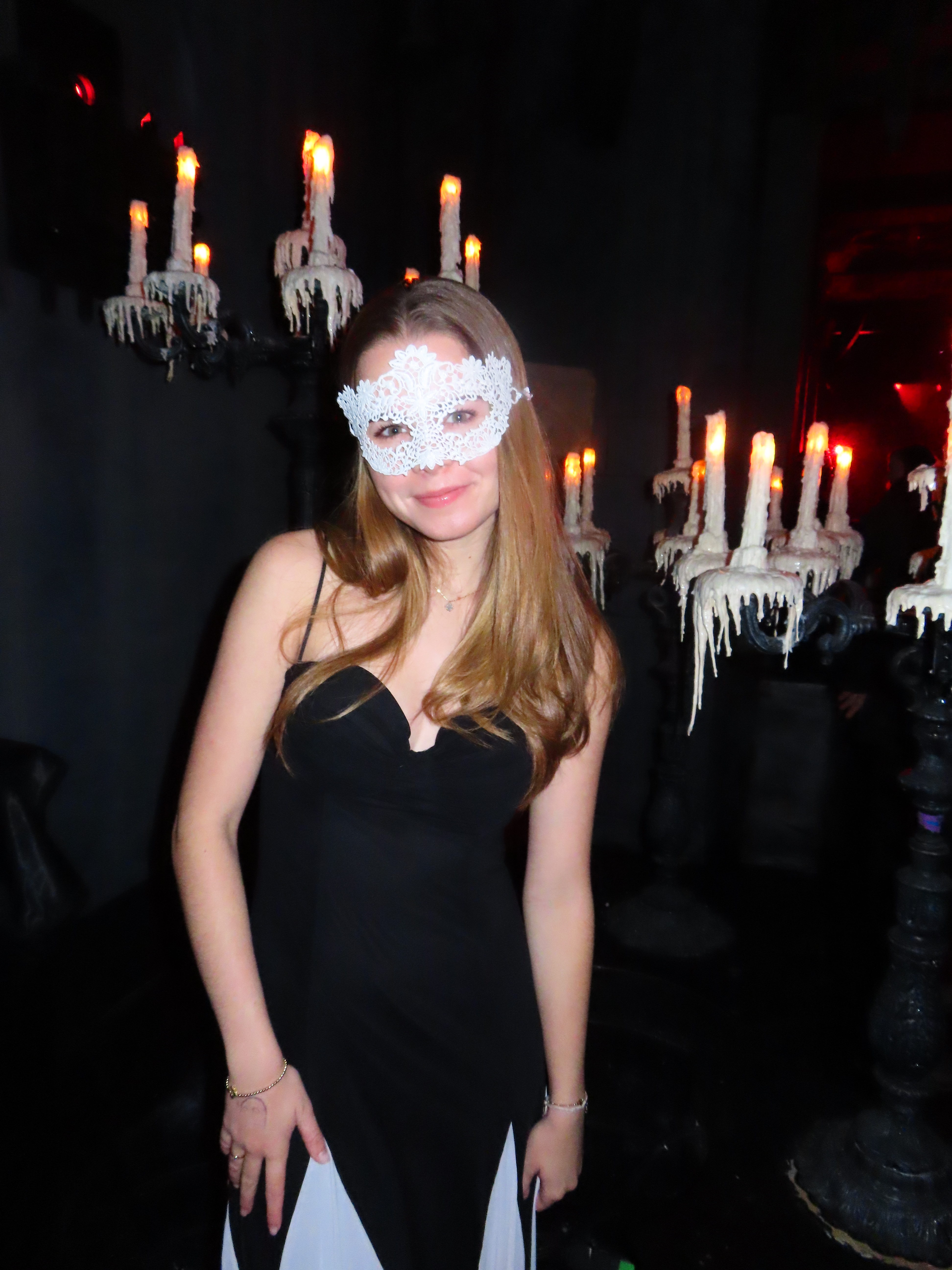
Growing up, I found true connection through the shows I participated in and the audiences I performed for. I was reminded of this unique connection between story and audience during my most recent visit to New York City. On this trip, my mother and I went to see Masquerade, an immersive retelling of Andrew Lloyd Webber’s Phantom of the Opera. The musical follows the story of a man known as the Phantom. The Phantom is a disfigured man who longs to connect with others through the beauty of his music, despite years of rejection. This is one of my favorite productions of all time, and being able to interact with the material and characters in a new light was incredibly powerful. It was an experience I will never forget.
One scene in particular has stuck with me. It takes place between the Phantom himself and Madame Giry, one of the employees of the opera house. Madame Giry was one of the only individuals who saw the Phantom as a human being, and not a monster, creating a unique bond between the two of them. In the Masquerade revival of this story, they perform a song together titled “Learn to be Lonely.” Watching Sherry Turkle’s TED Talk, Connected, but Alone?, I was called back to watching this scene be performed live.
As Turkle stated, “If we’re not able to be alone, we are going to be more lonely.” The Phantom lived in solitude for his whole life and took that out on the inhabitants of the opera house. In the song, “Learn to be Lonely,” we see him be encouraged by Madame Giry to “laugh in the loneliness” and cherish his own companionship. Through his story, we learn that if we are not content alone, we cannot be content with others. The Phantom’s mask mirrors the way the internet allows us to present only fragments of ourselves to the world. We must have a strong relationship with who we are if we are ever to build a relationship with others. Knowing our values, staying true to our morals, and defining our boundaries all affect these interactions.
These are key concepts to keep in mind as we navigate a digital landscape. It is easy to get lost in the lives of others, become stuck in comparison, and forget the beauty of our own lives. When we foster a strong relationship with our own selves we can approach life, both in person and online, in a genuine way. Keeping our motivations separate from our fears, and living life in the direction we, and only we, choose, we will build true relationships beyond the screen. True connection doesn’t begin online or with others. It begins with learning how to be content in our own company.
 Purely Piper
Leave a comment