The same event can produce completely different stories, depending on who tells it.
I never thought that non-political issues could become political. I was even less convinced that politics had such an influence on media narratives. Nowadays, instead of absorbing factual stories, we are subjected to opinion-based columns. When reading facts, we must put ourselves in the author’s perspective. Even fact-based stories can include language that amplifies or softens a message’s impact.
Through discovering the AllSides ratings on a variety of articles, I began to view media perception through a new lens. Knowing the bias before opening an article helped me read more critically and respond more thoughtfully. This was the mindset I used when approaching one of the most divided pop culture moments of 2026 so far.
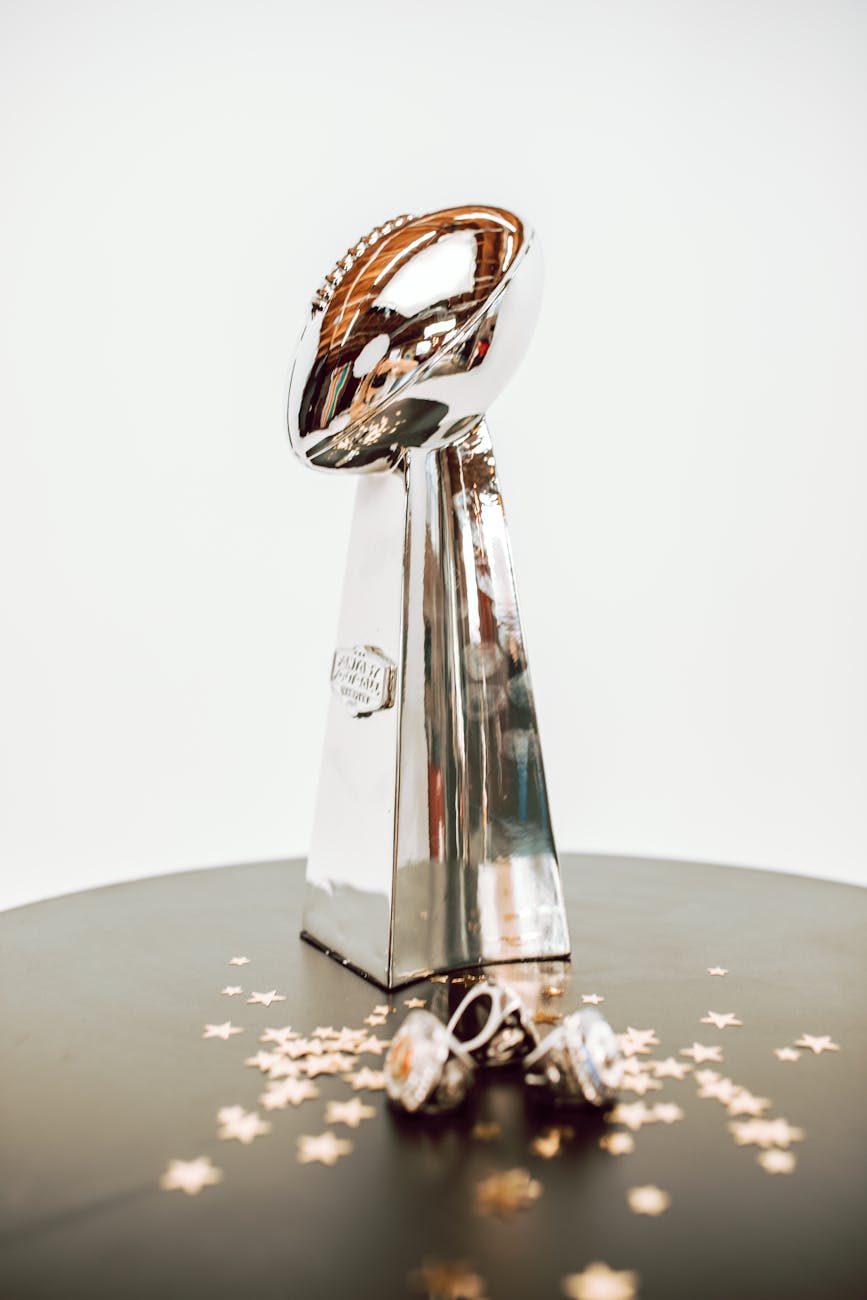
Who knew that athletics and music could become such a hot topic? A supplementary piece of entertainment became a divided political issue overnight. The issue being that the Super Bowl LX was set to feature Puerto Rican artist Bad Bunny for its iconic halftime performance.
The sides quickly became affiliated with one political party over the other. Democrats applauded the Super Bowl for taking initiative toward diversity and Republicans spoke out in anger for a singer that would not be performing in English. This even led to Turning Point USA, a traditionally conservative group, arranging their own halftime performance in protest of the NFL’s selection.
On the right, I read an article titled Bad Bunny Halftime Show Versus Turning Point USA Alternative Highlights a Divided Nation by Tyler Durden. There is an obvious feeling of separation and opposition by the use of words like “divided” and “versus.” On the flip side, Bad Bunny’s Super Bowl halftime performance redefined what it means to be an American patriot highlights opinions of left-leaning reporter, Alli Rosenbloom. While both articles share facts from each performance, they clearly set a tone right in the beginning regarding their own feelings towards the night.
What I find interesting is that an article from a center-aligned organization doesn’t seem to care about the performance at all. Opinion: Bad Bunny or Turning Point USA halftime show? How about neither by Doug Robinson states from the beginning that this issue is not based in fact. Art is subjective. Robinson plainly states that the NFL did not pursue Bad Bunny as a performer for political reasons, rather because he could expand their market base to Latino crowds. This just means more money for football, which is ultimately their only focus. Moreover, this article highlights, in a rather sarcastic manner, that on any other occasion fans would simply leave during halftime or use it for its intended purpose: a break. The article clearly stated what it was, as the other two pieces masqueraded as factual reporting while being deeply rooted in opinion.
In Durden’s article, phrases like “forced” and “war” are used to evoke negative emotions. While Rosenbloom uses words such as “anthem” and “joyous” to paint the performance in a light of praise and perfection. The left highlighted the unifying aspects of the performance while the right highlighted how this further divided our nation. Meanwhile, the center says that this shouldn’t impact us at all.
It is fascinating to me how the only voices we ever seem to hear are those from the furthest sides of the aisle, never the ones who are in the middle. When taking my AllSides bias test, I realized that much of what I value comes from fact and rationalism. I recognize that my center result may lead me to be more critical of far right or far left stories, but it also allows me to discern fact from opinion. In an age where every story is filtered through bias, understanding perspective may be the most important skill of all. The challenge isn’t avoiding bias; it is learning to recognize it.
 Purely Piper
Leave a comment